
· Irvin Charleston
The Real Reason You're Not Getting Stronger Over 40 (It's Not Your Age)
Have you been training for months, or years, but the numbers, repetitions, or movements you care about…
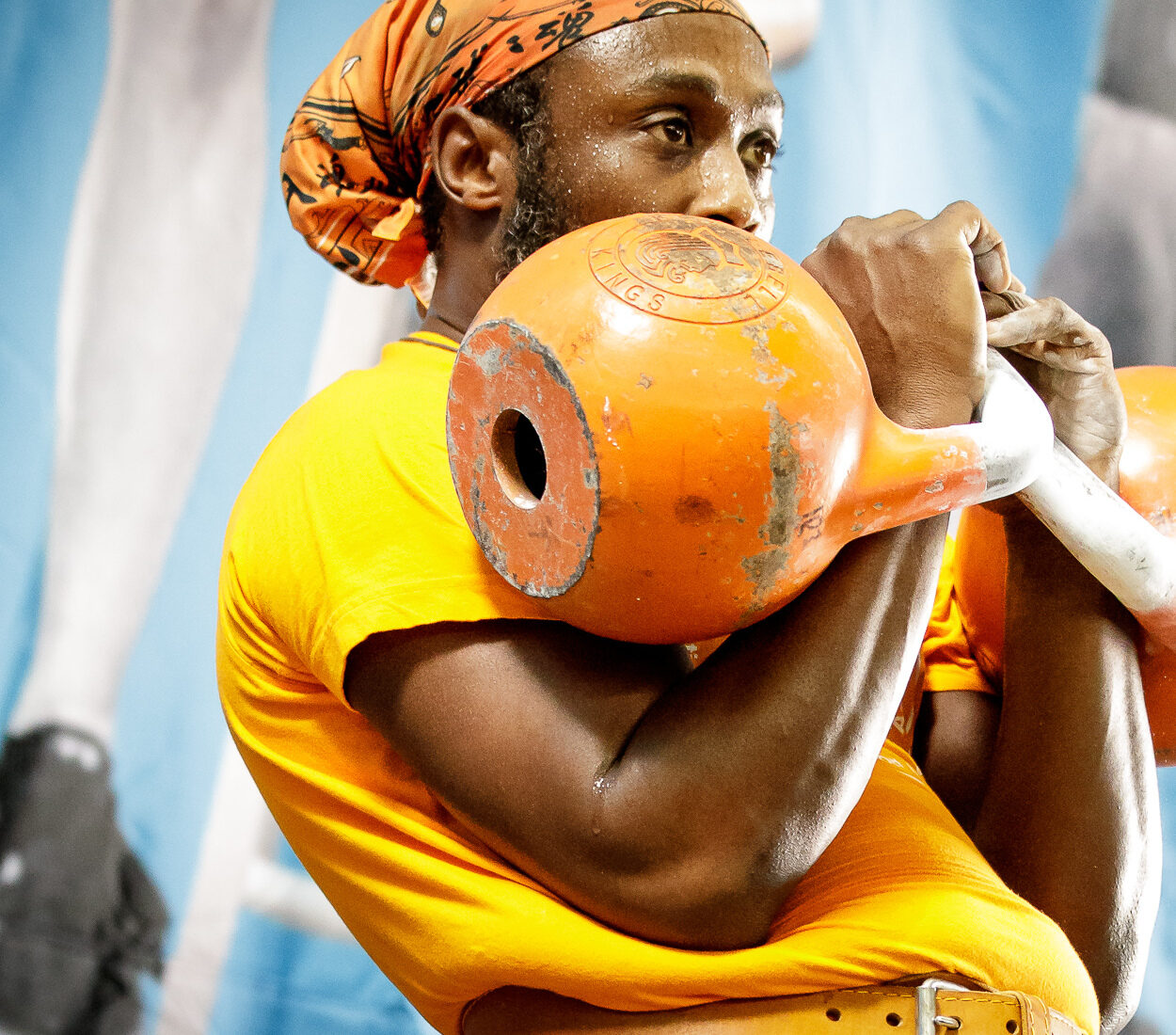
Have you been training for months, or years, but the numbers, repetitions, or movements you care about have stopped improving? Age can change how you recover. But a plateau usually points to a problem with the plan, not a fixed limit on what your body can do.
Strength training over 40 still works. A systematic review found that older adults can improve strength and muscle function through resistance training. The more useful question is often whether your training gives you a clear, repeatable reason to improve, and enough recovery to respond. Read the review.
Here are five common reasons progress stalls, and practical ways to check each one.
Are you measuring anything?
If you do not have a baseline, it is hard to tell whether you are progressing, maintaining, or simply having better and worse days. “I feel stronger” can be useful, but it is not a clear comparison.
Choose a few repeatable measures that fit your training. For example, record the weight and repetitions for a familiar lift, or how many controlled sit-to-stands you can do in a set time. Note the movement standard too: range of motion, technique, and rest period should stay consistent. Otherwise, you may be comparing different tests.
Try this: Write down what you can do now in two or three movements that matter to you. Include the load, repetitions, and any useful notes. Repeat the same checks in 90 days under similar conditions.
Measurement does not need to make training complicated. It makes the rest of the plan easier to see. Without it, you might miss a quiet improvement, or keep repeating a routine that has stopped challenging you.
Are you repeating the same session at the same effort?
Showing up consistently matters. But doing the same exercises, sets, repetitions, and weights at the same effort week after week may maintain your current level without asking your body to do more.
Progression can be modest. You might add a repetition, use a slightly heavier weight, improve your range of motion, or complete the same work with better control. You do not need to increase everything at once.
Try this: Pick one or two movements and set a simple target range, such as 6–10 repetitions. Keep the weight steady while you work toward the upper end with good form. When you can do that consistently, make a small increase in weight and build again.
This applies whether you use bodyweight, barbells, or kettlebells. Kettlebell workouts for men over 40, for example, can still be demanding and progressive without turning every session into a test of maximum effort.
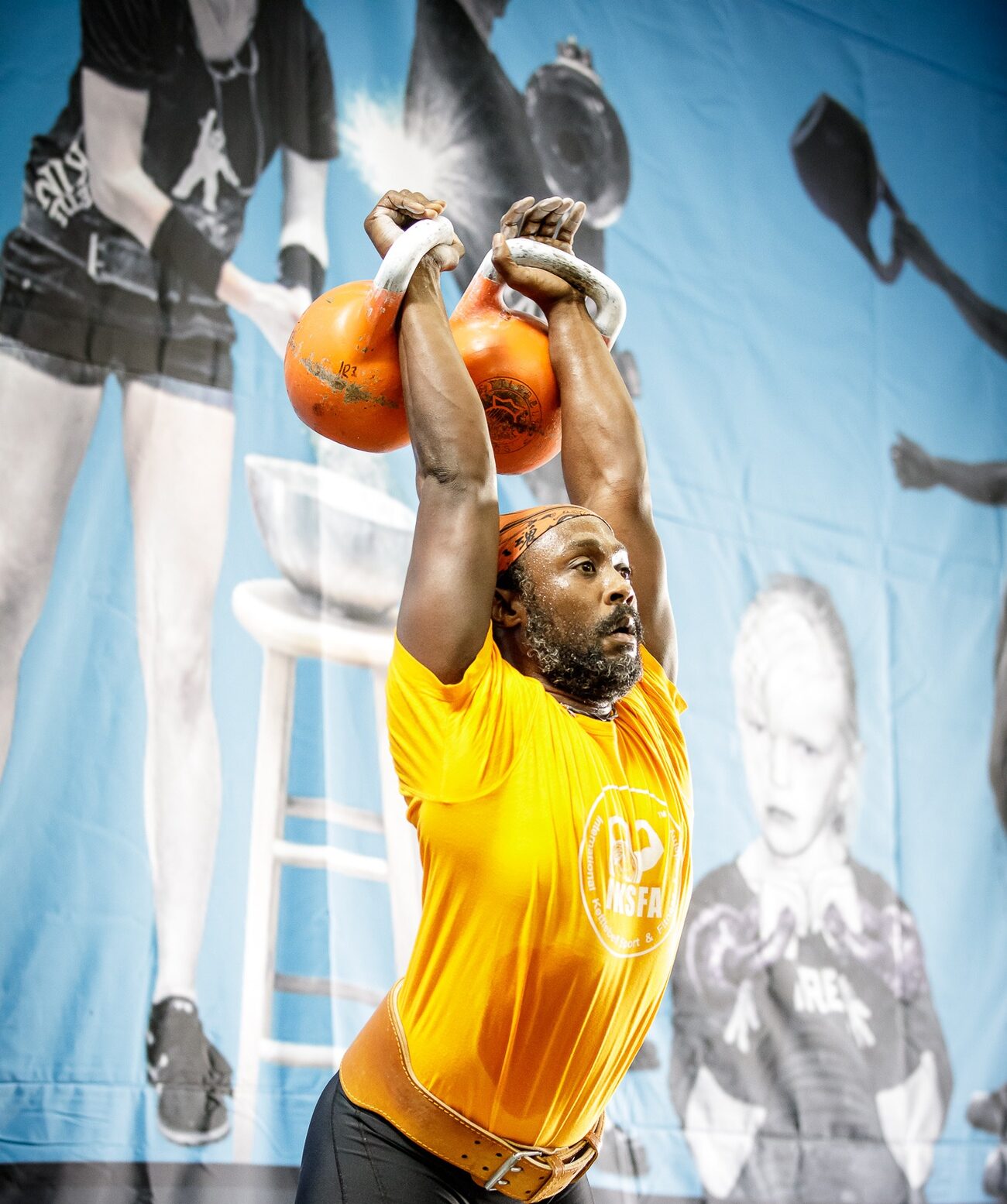
Are you training hard without feedback?
Effort is not the same as effective practice. When you train alone, it can be difficult to notice small changes in technique: a shorter range of motion, a shift in balance, or a lift that has become less controlled as you tire.
That does not mean you need someone watching every repetition. It does mean that occasional feedback can help you check whether you are doing the movement you intended to do.
Try this: Choose one exercise. Film a set from a safe angle, or ask a qualified coach to review it. Compare your movement with a clear standard. If the technique changes under fatigue, reduce the load or stop the set earlier while you rebuild control.
A few useful corrections can make your training more consistent. More weight is not always the next step.
Has your training volume crept up?
A packed schedule can look like commitment: more sessions, more exercises, more hard sets. But more work is not always more progress. If volume grows without a plan, you may carry fatigue from one session into the next and never perform your best work.
There is no single ideal amount for everyone. Your schedule, training history, sleep, and other activities all matter. A useful sign that your current dose may be too high is a steady drop in performance, lingering soreness, or a growing need to push through sessions that used to feel manageable.
Try this: For two weeks, record your sessions and note how you feel before training. If performance is slipping, consider removing a set or an extra hard session before adding more work. Keep the exercises you want to progress and give yourself time to recover between demanding days.

Are you getting a full training block in?
Three solid weeks followed by two weeks away can make it hard to build on previous work. Life interrupts training. That is normal. The challenge is that frequent interruptions can leave you repeating the same early weeks instead of completing a full cycle.
A training block does not have to be elaborate. It is simply a planned period with a clear focus, a manageable schedule, and a way to track what changes. Twelve weeks is one useful span, but even a shorter plan can help if it is consistent and repeatable.
Try this: Choose a schedule you can maintain for the next 8–12 weeks. Mark the sessions you complete, and plan in advance what you will do if a busy week disrupts your routine. A shorter session may be more useful than abandoning the whole week.
Consistency does not mean never missing a workout. It means having a practical way to return.
What does age actually change?
Recovery can take longer than it once did. Warm-ups may matter more, and hard training days may need more space between them. Those are real considerations, not reasons to give up.
The response to training does not disappear. It may be more important to manage the amount and timing of hard work, rather than assume you need to work harder to compensate. Getting fit over 40, and staying fit as you get older, still depends on a suitable challenge, steady practice, and recovery.
A pattern we see in coaching is that people who started training as adults, without an athletic background, can make meaningful progress over many years. One such pattern ended with a world kettlebell championship medal. The point is not that everyone needs to compete. It is that progress can come from consistency and coaching, not youth or natural talent.
Other progress can take longer than people expect. Across client experience, a change of around 30 pounds has sometimes unfolded over several years of steady training, with the biggest shift coming much later. And some people already train hard in two sports; in those cases, the useful coaching decision may be to hold back volume and improve recovery, not add more.

Irvin Charleston has coached and competed for more than 20 years in Girevoy Sport. He earned two silver medals at the 2018 IUKL World Championships in Latvia. Learn more about the Way of Fitness approach.
How can you tell if it is age or your plan?
Compare today with 90 days ago. Ask yourself:
- Did you record a starting point for any key movement?
- Did you progress the weight, repetitions, control, or range of motion?
- Did you get feedback on technique?
- Did you plan your hard days and recovery?
- Did you complete a consistent block of training?
If you cannot answer those questions, that does not mean you have failed. It means you may not have had enough information to see what was holding you back. Start with a simple measurement, then make one change at a time.
If you would like a structured starting point, the Strength Audit: a seven-morning strength and mobility assessment begins with 10 quick questions that take about two minutes. It then costs $9 as a one-time payment, with no subscription; sales are final. Over seven mornings, you do one short at-home test each day. Each test has four levels and clear written standards. You receive a scorecard across six areas of strength and mobility, plus the two areas to work on first. You can retest in 90 days against the same standards. No gym is needed, and most tests require no equipment. It is a measurement, not a workout program.
If you want help applying your results, a 12-week coaching program is available. There is also a longer-term monthly option with a monthly meetup and weekly video review for people who want ongoing feedback. Both are options to explore if they suit you.
You may not need to train harder. You may need a clearer baseline, a plan you can follow, and enough recovery to repeat it. Start by measuring what you can do now. Then give yourself 90 days to see what changes.
See where you stand
Ten questions, about two minutes. Your answers decide which of the six tests you take first.